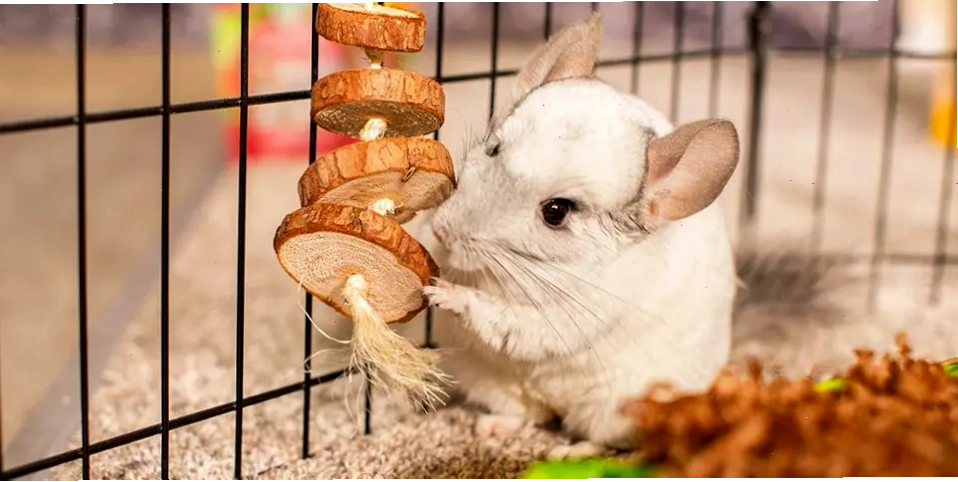

Providing a variety of enrichment activities for pet chinchillas is fundamental to their long-term happiness and health. These intelligent and high-energy rodents require constant mental stimulation and physical challenges to mimic their natural behaviors in the wild. In 2026, pet owners are increasingly focusing on holistic wellness, ensuring that their chinchillas lead lives that are as engaging as they are comfortable.
- Mental stimulation prevents boredom and stress-related behaviors.
- Physical activity supports cardiovascular health and prevents obesity.
- Chewing activities are essential for maintaining dental health and wearing down ever-growing teeth.
- Environmental variety creates a safe space for natural foraging and hiding instincts.
Understanding the core of chinchilla enrichment
Enrichment for chinchillas refers to any activity or environmental adjustment that encourages natural behaviors such as jumping, foraging, and hiding. Because these animals can live for 10 to 15 years, consistent variety is essential to prevent psychological distress. Just as domestic cats require specific cat care to monitor cat health and prevent issues like ear mites, chinchillas need specialized attention to their habitat and daily routine.
Effective enrichment strategies focus on multiple sensory levels. From the tactile sensation of different woods to the cognitive challenge of a puzzle feeder, every addition to their environment serves a purpose. High-quality stimulating cage setups are the foundation of this process, providing a canvas for various activities that keep the animal focused and active throughout the night.
Interactive and DIY foraging challenges
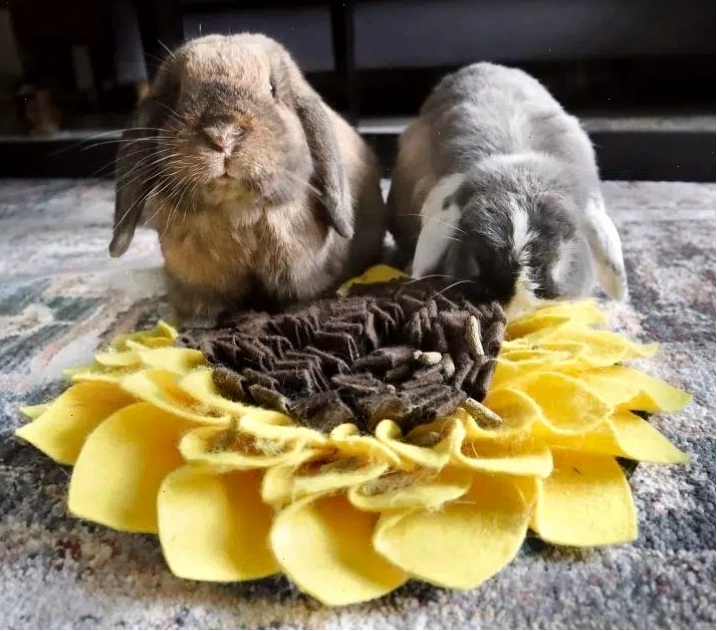
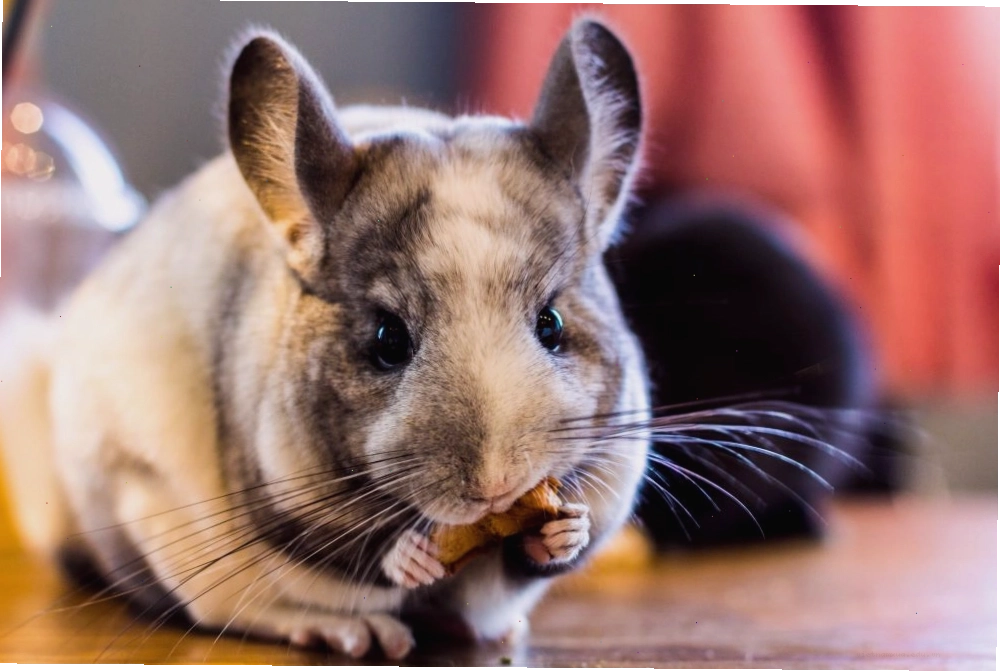
One of the most effective ways to engage a chinchilla is through foraging. In the wild, they spend a significant portion of their time searching for food, and recreating this at home is surprisingly simple. You can use common household items like plain, unprinted cardboard boxes or brown paper bags. Stuffing a toilet paper roll with high-quality hay and a few healthy treats encourages them to work for their reward, satisfying their inquisitive nature.
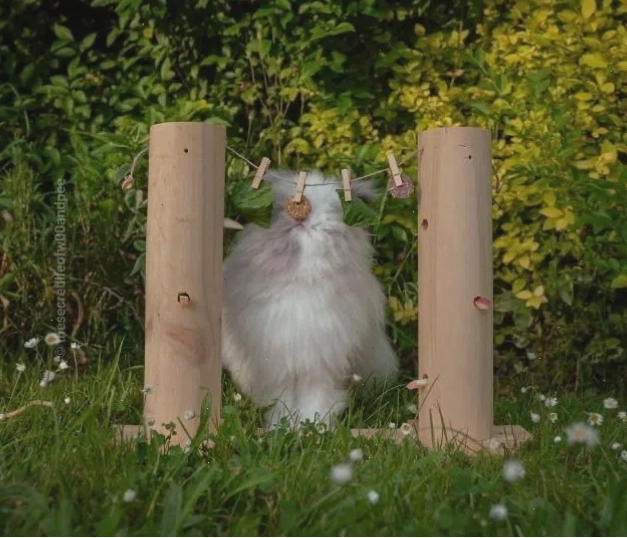
For those who enjoy a bit of creativity, a washing line treat hanger is an excellent project. By clipping safe treats to a miniature line with tiny pegs, you force your pet to reach and solve a puzzle to get their snack. While some pet owners focus on finding the best dog food or studying a canine nutrition guide for their larger pets, chinchilla owners must be equally focused on the nutritional value of foraging rewards to maintain a balanced diet.
Essential materials for homemade toys
When crafting toys at home, safety is the primary concern. Chinchillas are natural chewers, and anything you put in their cage will eventually be sampled. The following table outlines safe versus dangerous materials commonly found in households:
| Safe Materials | Materials to Avoid |
|---|---|
| Unbleached sisal or hemp twine | Plastic toys and components |
| Untreated apple or pear wood | Painted or varnished wood |
| Plain brown cardboard | Synthetic fabrics or small loose parts |
| Timothy hay and grasses | Adhesives and glue residues |
The importance of dental health and chewing
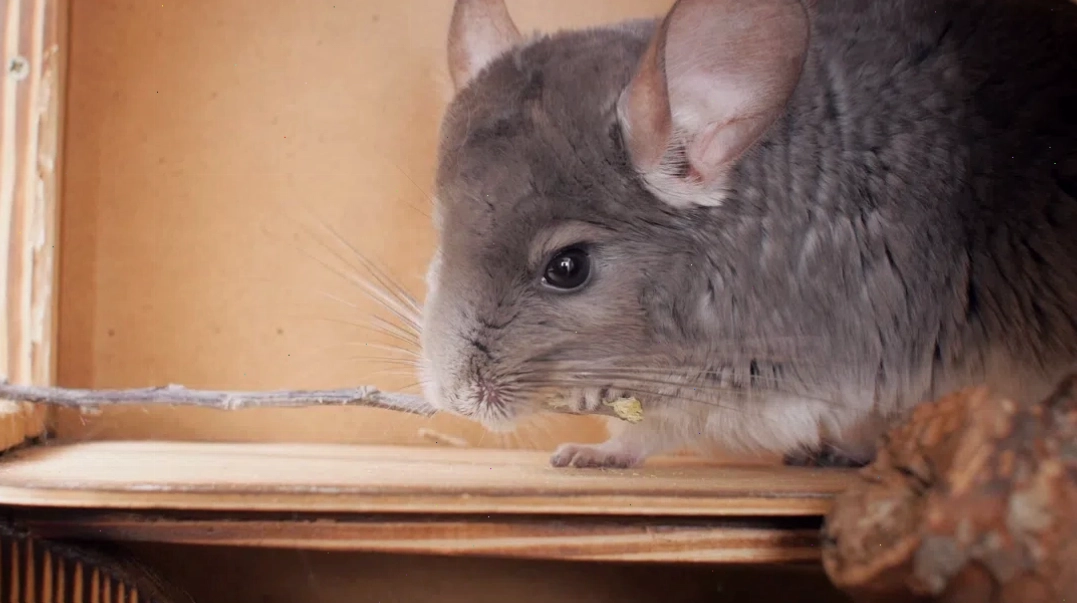
Chinchilla teeth grow continuously throughout their lives. Without appropriate chinchilla chew toys, their teeth can become overgrown, leading to spur formation and serious digestive issues. Providing natural wood sticks is the best way to help them wear down their teeth naturally. Using veterinarian-approved kibble as a base diet is important, but nothing replaces the mechanical action of chewing on fibrous wood or hay.
Wood sticks from apple or pear trees are ideal because they are non-toxic and provide a satisfying texture. Ensure all wood is thoroughly cleaned and dried before use. Similar to how dog food reviews and best dog food brands help canine owners make choices, seeking out high-quality, pesticide-free wood sources is vital for the safety of your small furry friend.
Creating a stimulating environment with movement
Physical exercise is another pillar of enrichment. Chinchillas are incredible jumpers and runners. A high-quality, solid-sided wheel is a staple for preventing boredom and encouraging cardio. Unlike smaller rodents, chinchillas need a large wheel to ensure their spine does not arch during use, which could lead to long-term injury. Regular exercise also helps build a strong immune system, much like how outdoor protection for other pets helps prevent tick-borne diseases.
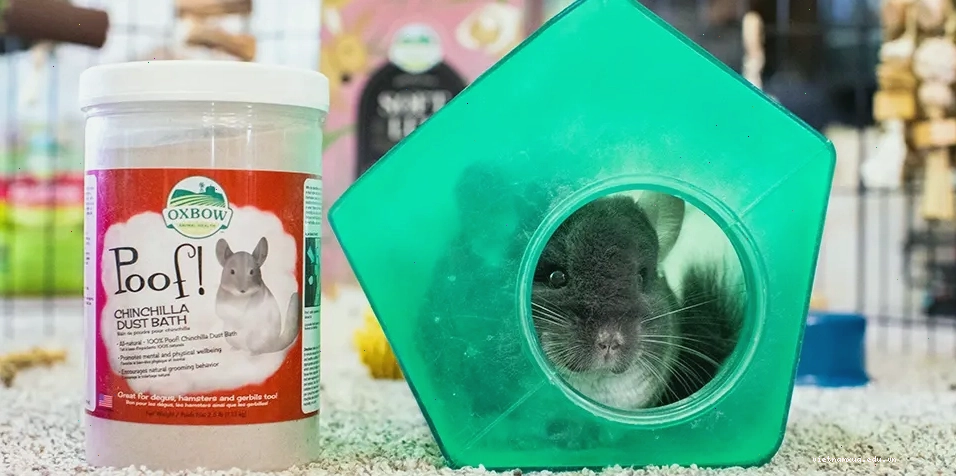
Beyond the wheel, chinchilla dust baths are a vital behavioral requirement. These baths help remove excess oils and moisture from their dense fur, but they also serve as a form of sensory play. Watching a chinchilla flip and roll in the dust is a clear sign of a happy, well-adjusted pet. Ensure you provide a deep enough container and high-quality dust to mimic the volcanic ash they would use in the Andes Mountains.
Maximizing social interaction and exploration
While cage enrichment is vital, supervised time outside the cage in a chinchilla-proofed room offers the ultimate stimulation. This allows them to explore new textures, jump to greater heights, and interact with their owners. During these sessions, you can introduce items like large tunnels or dig boxes filled with safe substrates. Always supervise these play sessions to ensure your pet does not chew on electrical cords or baseboards.
Enrichment is not a one-time setup but an evolving process. Rotating toys weekly keeps the environment fresh and exciting. By combining physical toys, foraging challenges, and social play, you provide a life that is rich and fulfilling. Whether you are providing the best care for a small rodent or researching cat health, the goal remains the same: a healthy, happy, and stimulated companion.